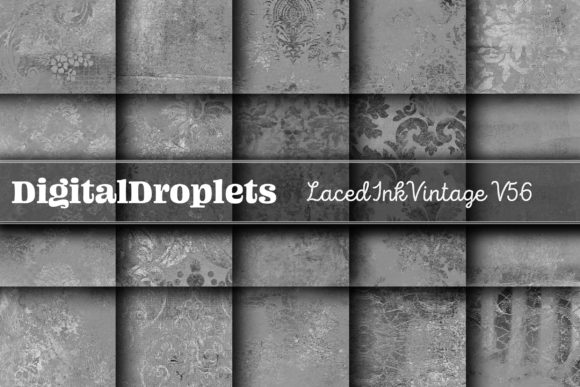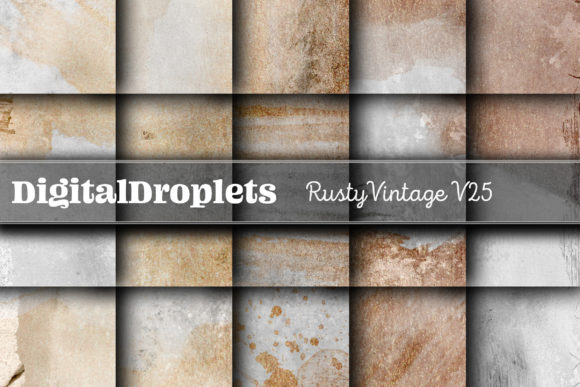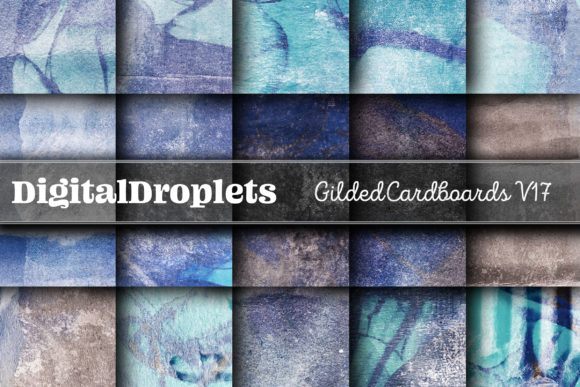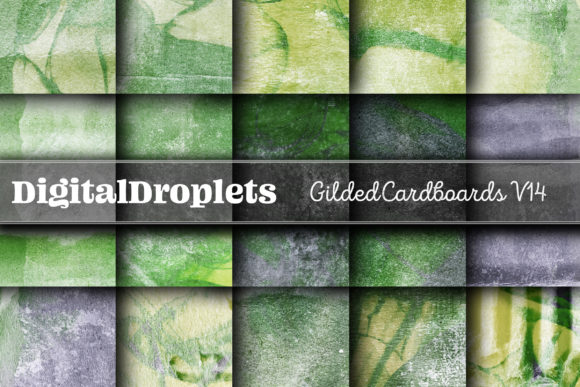
Gilded Cardboards Vol. 18: Vintage & Grunge Design Assets
Every designer knows the power of a perfect background. It sets the tone, establishes mood, and provides the visual foundation upon which compelling compositions are built. The Gilded Cardboards Vol. 18 | Collection offers a unique solution for projects demanding a blend of rustic charm and sophisticated texture, providing an immediate path to authentic vintage and grunge aesthetics.
Understanding the Asset
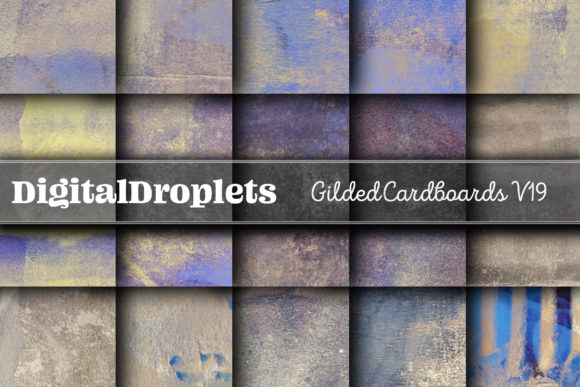
This specific collection is a 12x12 Paper Set of 10 papers. Each background is a high-resolution, digitally blended composite of cardboard textures and shabby, grungy overlays, culminating in a unique, gilded border. This set isn't just a random assortment; it's a curated toolkit designed to inject depth, history, and tactile interest into your creative work. The included JPEG files (300dpi) ensure they are versatile enough for both digital and high-quality print applications.
Strategic Applications in Modern Design
While the name suggests scrapbooking, the utility of these textures extends far into professional graphic design and branding. In an era where audiences crave authenticity and tactile experiences, these assets can significantly elevate various projects.
Enhancing Brand Identity & Marketing
For brands with a vintage, artisan, or eco-conscious identity, these papers are invaluable. They can serve as the backdrop for a logo presentation, adding a layer of heritage and craftsmanship. Use them in social media graphics to create a consistent, textured feed that stands out against clean, modern competitors. In packaging design, they can inspire die-line mockups or actual wrap patterns, communicating product quality and story before the customer even opens the box.
Digital & Editorial Design
In web and UI design, textured backgrounds can break the monotony of flat design, adding warmth and guiding the user's eye. They work exceptionally well for hero sections, blog post headers, or as subtle website backgrounds for boutique e-commerce sites. For editorial layouts in magazines or blogs, they provide perfect frames for quotes, sidebars, or pull-out text boxes, enhancing readability through visual hierarchy.
- Social Media Content: Create eye-catching Instagram stories, Pinterest pins, or Facebook ads with built-in texture and interest.
- Digital Products: Use as backgrounds for printable planners, journaling kits, or digital invitations, adding perceived value.
- Presentation Design: Move beyond sterile corporate slides. Use these textures to make a presentation memorable, especially for creative pitches or storytelling.
- Collage & Mixed Media: They are perfect for digital collages, providing a cohesive ground that ties disparate elements together.
Tips for Effective Implementation
Simply placing a textured background isn't enough; thoughtful application is key to maintaining a professional result.
Prioritize Consistency: If using these assets across a brand system, apply them consistently. A logo on a cardboard texture should use a similar texture family across all touchpoints to build recognition.
Master Visual Hierarchy: Textured backgrounds can compete with content. Use solid color overlays, strategic whitespace, or strong typographic contrast to ensure your message remains clear and readable. Pair these grungy textures with clean, sans-serif fonts for a powerful modern-meets-vintage contrast.
Consider Scalability: The 12x12, 300dpi format is excellent, but always test your assets at the final output size. Ensure the texture detail holds up for large-format prints like posters or wall art.
Align with Audience Expectations: These textures communicate a specific vibe—nostalgic, handmade, raw. Ensure this aligns with your project's goals and your audience's expectations. A tech startup might use them differently than a heritage bakery brand.
Investing in high-quality creative assets like the Gilded Cardboards Vol. 18 | Collection is an investment in design efficiency and visual impact. By thoughtfully integrating these textured backgrounds, you can transform standard layouts into compelling narratives, strengthen brand perception, and create designs that resonate on a deeper, more sensory level. The right texture doesn't just fill space; it tells a story.