Golden Vintage Woods Vol. 8 | Collection: Design Asset Review
In the world of graphic design, finding a resource that seamlessly blends nostalgia with modern utility is a rare discovery. The GoldenVintageWoods Vol. 8 | Collection represents exactly this kind of asset, offering a sophisticated palette of textures that can instantly elevate a project's visual narrative. This set of 12x12 papers is more than just a background; it's a foundational element for creating depth, warmth, and a compelling brand story. By merging vintage aesthetics with contemporary digital craftsmanship, it provides designers with a versatile tool for effective visual communication.
Understanding the Visual Composition
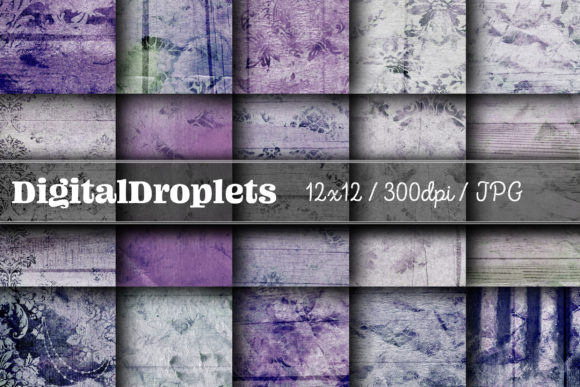
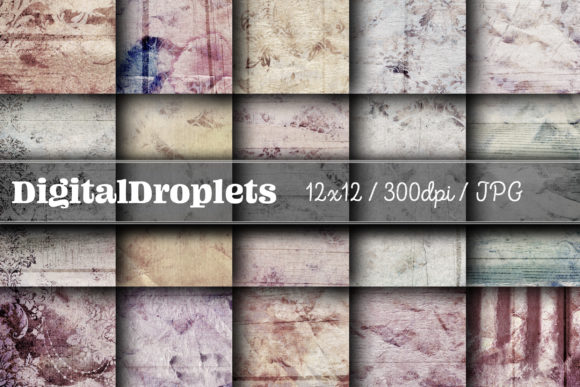
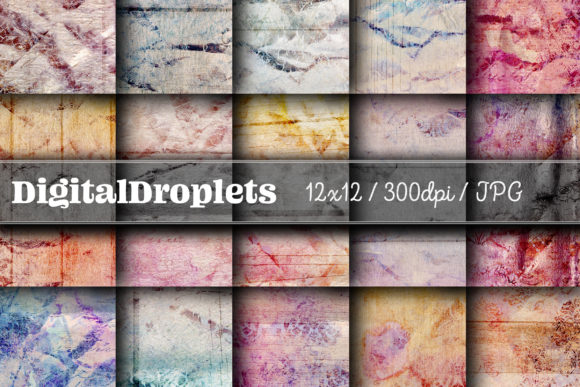
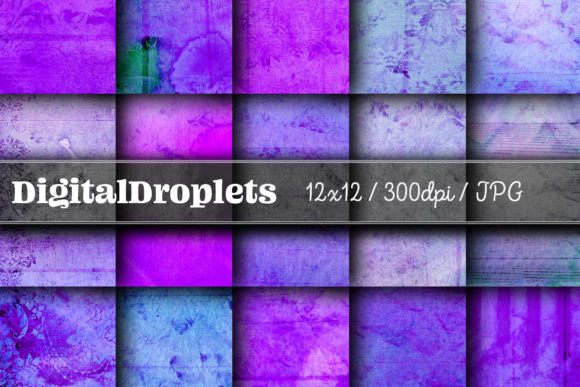
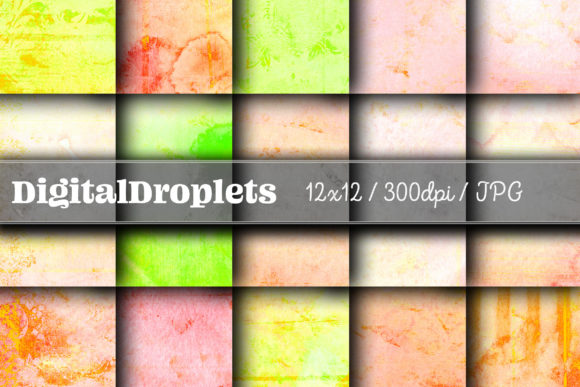
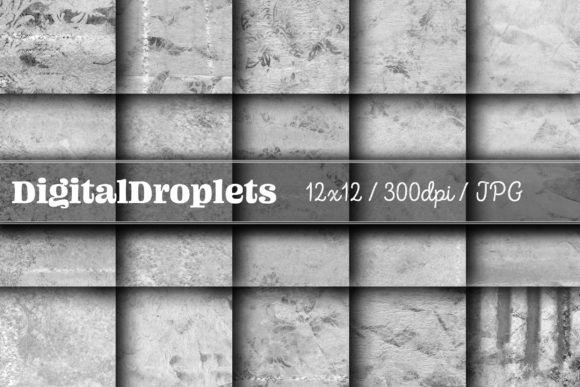
At its core, this collection is a masterful layering of textures. It features subtle wooden grain overlays on aged paper, with alcohol ink or watercolor washes blended over intricate damask and lace patterns. The result is a series of backgrounds that feel organic, tactile, and rich with history. This complexity is a significant advantage in visual design, as it allows for the creation of sophisticated compositions without the need for extensive manual layering. The vintage paper texture provides a soft, authentic base, while the wood and ink elements add structure and artistic flair, contributing to a strong visual hierarchy in any layout.
Practical Applications Across Design Disciplines
The true value of a creative asset lies in its adaptability. The Golden Vintage Woods papers are engineered for broad application, making them a worthwhile investment for a diverse range of creative projects.
- Brand Identity & Marketing: For brands aiming to convey heritage, craftsmanship, or artisanal quality, these textures are invaluable. Use them as backgrounds for business cards, letterheads, and social media graphics to build a cohesive and memorable brand identity. They are particularly effective for packaging design in sectors like gourmet food, boutique retail, or handmade goods.
- Editorial & Web Design: In editorial layouts for magazines, blogs, or e-books, these papers create engaging backgrounds that reduce visual monotony. For web and UI designers, they can be used sparingly to add texture to specific modules, such as call-to-action boxes or testimonial sections, enhancing user engagement without compromising readability.
- Digital & Physical Products: The applications extend to creating digital products like printable planner stickers, invitations, and wall art. For physical merchandise, such as scrapbook pages, junk journals, and card-making, the high-resolution 300dpi files ensure crisp, professional print results.
Integrating Vintage Textures into Modern Workflows
Using textured backgrounds effectively requires a strategic approach to maintain balance and clarity. A key consideration is readability. When overlaying text, ensure sufficient contrast by using solid color blocks, subtle gradients, or applying a slight blur to the texture behind the typography. This preserves legibility while leveraging the texture's aesthetic appeal.
Furthermore, consider the color palette of your project. The warm, golden tones in this collection pair beautifully with earthy neutrals, deep burgundies, and muted greens. For a more modern contrast, combining them with crisp whites or charcoal grays can create a striking visual hierarchy. Always test your chosen typography against the texture; serif fonts often complement the vintage feel, while clean sans-serifs can provide a contemporary counterpoint.
Elevating Your Creative Toolkit
Choosing the right creative assets is a critical step in a designer's workflow. It's not just about filling space, but about selecting elements that communicate a specific mood and support the project's goals. The Golden Vintage Woods Vol. 8 set exemplifies how thoughtfully designed resources can streamline the creative process, inspire new directions, and ensure a polished, professional presentation. By incorporating such high-quality, versatile textures, designers and creators can focus more on concept and strategy, confident that the foundational elements of their visual design are robust and impactful. Ultimately, investing in premium assets is an investment in the quality and effectiveness of your final communication.