Vintage Woods Vol. 2: A Textured Collection for Timeless Design
In a digital landscape saturated with sleek gradients and minimalist vectors, introducing authentic, tactile elements can create a powerful emotional connection. The Vintage Woods Vol. 2 | Collection offers a sophisticated solution for designers seeking to infuse projects with warmth, history, and artisanal character. This curated set of 12×12 digital papers provides a versatile foundation for crafting compelling visual narratives that resonate across various creative applications.
Understanding the Aesthetic and Composition
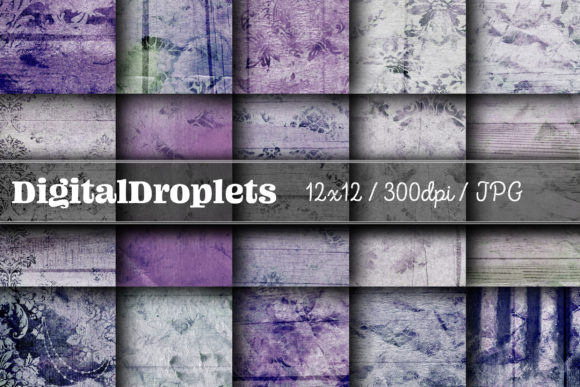
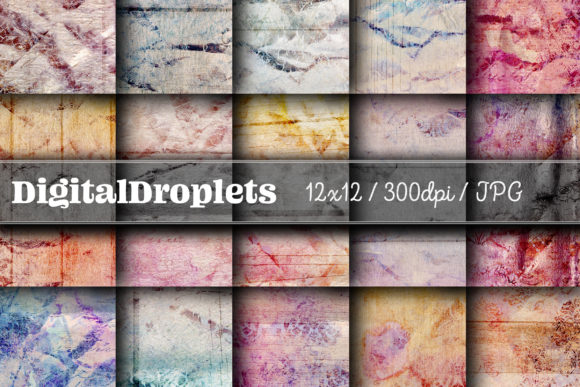
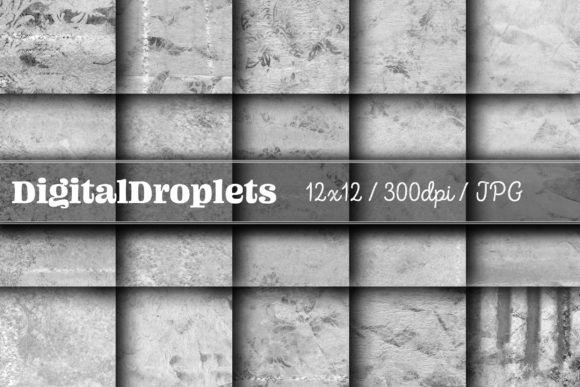
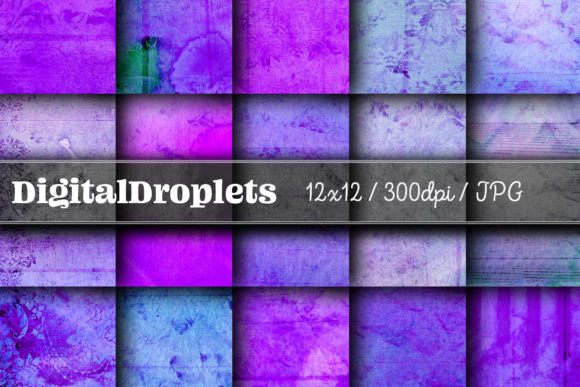
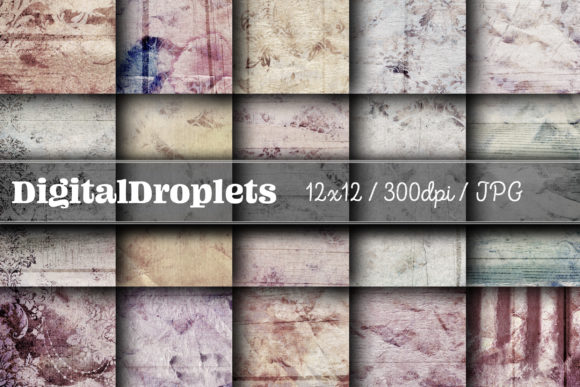
This collection is more than a simple overlay; it's a thoughtful blend of multiple design textures. At its core are vintage paper backgrounds, layered with natural wooden textures. Over these, you'll find delicate damask and lace patterns, subtle cardboard grains, and the fluid, organic movement of alcohol ink or watercolor washes. This complex layering creates depth and visual interest that is difficult to replicate from scratch, saving valuable design workflow time.
For graphic designers and brand strategists, such assets are invaluable. They contribute to a rich visual hierarchy, allowing foreground elements like typography and logos to stand out with clarity against a complex, yet harmonious, backdrop. The inherent color palette of these papers—often featuring muted earth tones, warm browns, and subtle creamy hues—provides a cohesive starting point that can influence an entire project's brand identity.
Practical Applications Across Creative Projects
The true value of a resource like the Vintage Woods Vol. 2 set lies in its adaptability. Its applications span both digital and print domains, making it a staple for any creative asset library.
For Branding and Marketing
Use these textures to develop a brand identity with a handcrafted, authentic feel. They are perfect for businesses in artisanal food, boutique hospitality, vintage retail, or bespoke crafts. Apply them as backgrounds for logo design presentations, social media graphics, email headers, or advertising campaigns to establish an immediate sense of quality and tradition.
In Digital and Editorial Design
Web and UI designers can employ these papers as subtle website backgrounds or section dividers to add warmth and break visual monotony, enhancing user experience. In editorial design, they serve as beautiful foundations for magazine layouts, blog post graphics, or digital scrapbooking pages. Their high resolution (300dpi) ensures they remain crisp for print design applications like greeting cards, invitations, and packaging.
For Personal and Product-Based Creations
The collection's utility extends to merchandise and personal projects. Designers can create planner stickers, washi tape strips, gift tags, and envelopes. The textured backgrounds are ideal for photography backdrops, adding a professional, styled look to product shots. For those selling digital products, these papers can form the basis of printable art, journal kits, or collage sheets.
Tips for Effective Integration
To maximize the impact of these design elements, consider the following best practices:
- Maintain Visual Hierarchy: Pair the detailed backgrounds with clean, high-contrast typography. A bold sans-serif or a classic serif font often works beautifully to ensure readability.
- Test for Scalability: While the 12×12 format is perfect for scrapbooking, ensure the textures hold up when cropped for other uses, like a social media square or a website banner.
- Blend with Your Brand System: Use the papers' inherent colors to inform your project's color palette. Introduce complementary accent colors through your text and graphic elements to create a unified look.
- Layer Thoughtfully: Don't be afraid to combine elements from the set. Overlay a subtle lace pattern from one paper onto a wood texture from another to create a unique, custom background that aligns perfectly with your design goals.
Ultimately, selecting high-quality creative assets like the Vintage Woods Vol. 2 collection is an investment in your project's communicative power. It allows you to bypass the time-intensive process of creating complex textures from the ground up, freeing you to focus on composition, messaging, and the finer details of your professional presentation. In a world where visual design constantly evolves, having versatile, timeless resources in your toolkit ensures you can always deliver work that is both aesthetically compelling and strategically effective.