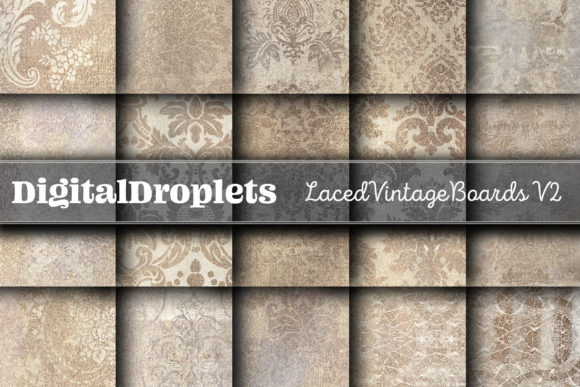
Laced Vintage Boards Vol. 2 | Collection
Every design project seeks a unique texture, a visual anchor that grounds the viewer in a specific mood or era. The right background can transform a simple layout into a rich narrative, and the Laced Vintage Boards Vol. 2 | Collection provides exactly that kind of foundational storytelling element.
Understanding the Core Asset
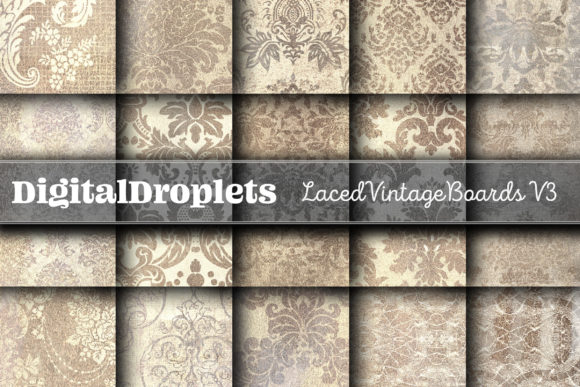
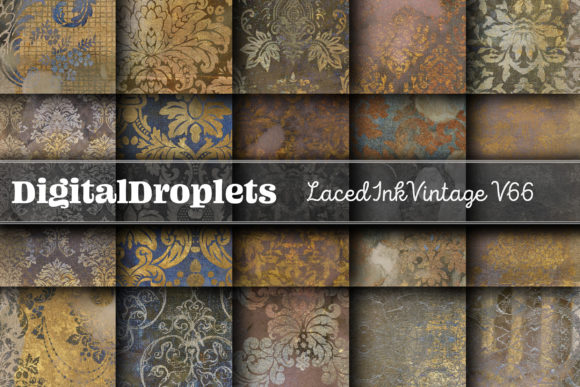
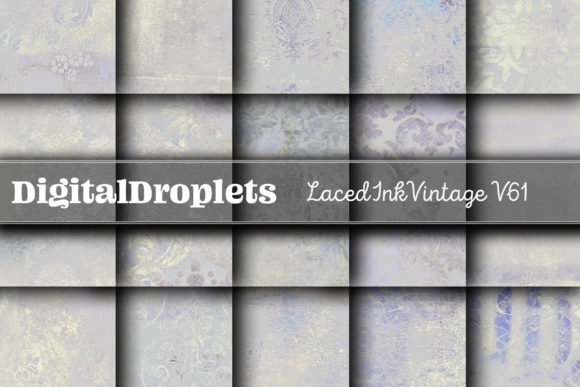
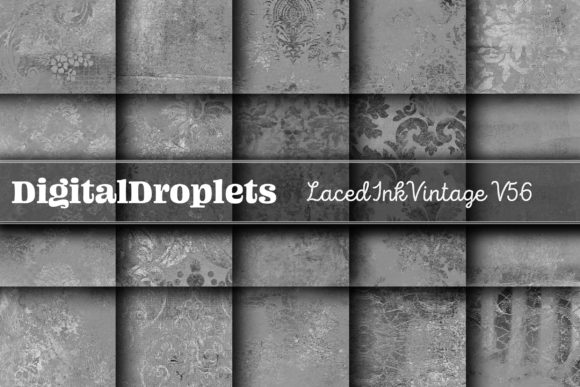
This collection is a curated set of 10 high-resolution, 12x12 inch digital papers. Each file is a composite of three distinct layers: a cardboard texture base, a damask or floral lace pattern overlay, and a cohesive color treatment that unifies the vintage aesthetic. The result is a versatile asset that mimics the look of aged, tactile paper without the limitations of physical media. It’s a design tool built for clarity and impact in digital and print environments.
Why Texture Matters in Modern Design
In an era of clean lines and minimalist interfaces, strategic use of texture serves a critical purpose. It adds depth, warmth, and a human touch that can prevent designs from feeling sterile or generic. For brands in sectors like boutique retail, artisanal goods, heritage services, or editorial publishing, this vintage texture can become a core part of a visual identity. It communicates authenticity, craftsmanship, and a sense of history, helping to differentiate a brand in a crowded market.
Practical Applications for Creative Professionals
The utility of a well-crafted background extends far beyond a single use case. This paper set is designed to integrate seamlessly into a wide array of creative projects, enhancing both the aesthetic and the communicative power of your work.
- Brand Identity & Logo Design: Use these textures as subtle backgrounds for brand guidelines, mood boards, or even as a texture within logo marks for brands that want a vintage or artisanal feel.
- Marketing & Advertising: Create compelling social media graphics, email headers, and print ads that stand out. The textured background makes text pop and gives promotional content a premium, curated look.
- Editorial & Packaging Design: Ideal for book covers, magazine layouts, product labels, and gift wrap. The lace and damask patterns add elegance and detail that elevate the perceived value of the final product.
- Web & UI Design: While primarily for static assets, these can be used as website hero backgrounds (with careful overlay for text legibility), for blog post featured images, or as downloadable resources for a design-focused audience.
- Physical & Digital Products: From junk journal supplies and scrapbook pages to printable cards, invitations, and planner stickers, these papers provide a perfect starting point for creating cohesive, sellable products.
Integrating Assets into Your Design Workflow
Simply having a great asset is only half the battle; using it effectively is what separates good design from great design. When incorporating textured backgrounds like these, consider the principles of visual hierarchy and readability. The texture should enhance, not overwhelm, the primary content.
Tips for Effective Use:
- Layer Strategically: Use these papers as a base layer. Place solid-colored shapes, cards, or text boxes on top to create clean areas for information while letting the texture frame the composition.
- Adjust for Context: For digital use, ensure sufficient contrast between text and the background. For print, consider the paper stock and how the digital texture will translate physically.
- Build a Cohesive System: Use the same collection across multiple brand touchpoints—social media templates, business cards, website elements—to create a unified and professional brand experience.
- Test Scalability: The high-resolution (300dpi) files ensure these assets look sharp in large-format prints and detailed close-ups, a crucial factor for professional presentation and packaging design.
Ultimately, the strength of a design lies in its ability to communicate a message with both clarity and character. Thoughtfully selected creative assets like the Laced Vintage Boards Vol. 2 | Collection provide the nuanced visual language needed to craft designs that are not only beautiful but also effective and memorable. They empower designers to build richer visual stories, strengthen brand connections, and deliver polished, professional work that resonates with its intended audience.