Rusted Flow Leaves Vol. 7: A Textured Design Collection
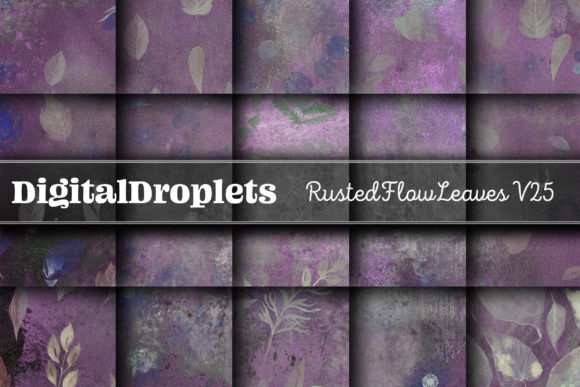
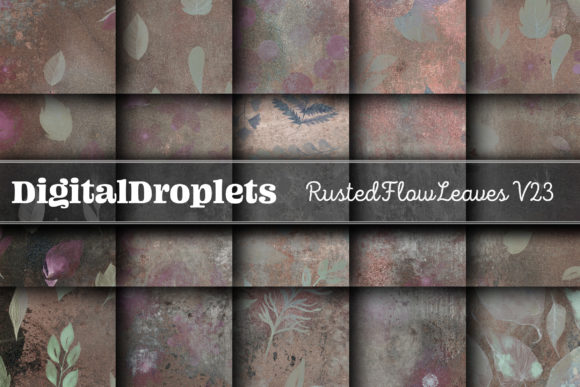
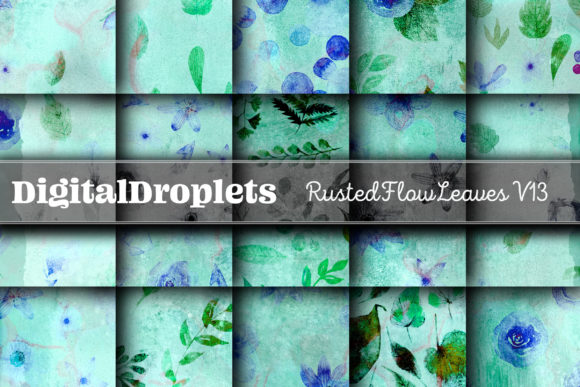
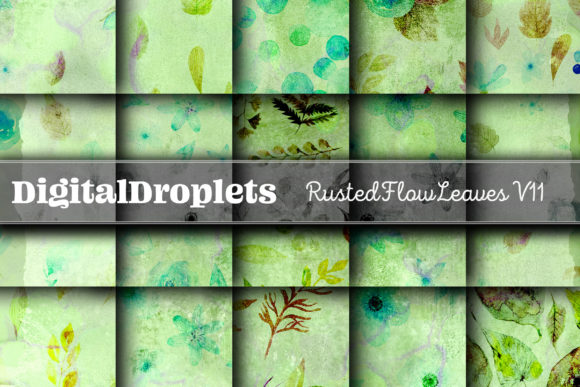
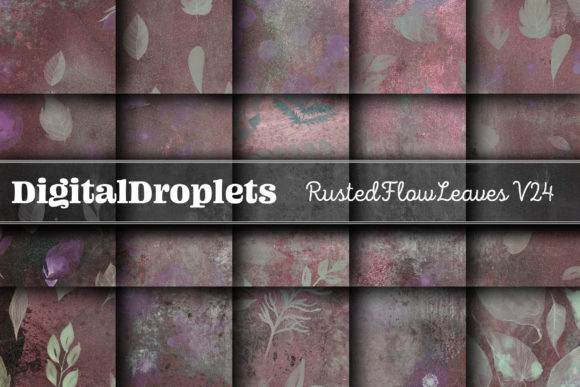
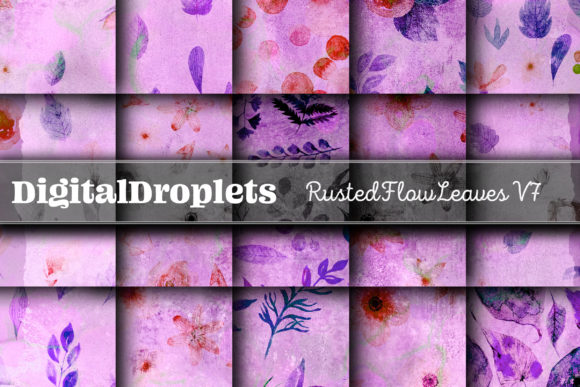
For designers seeking to infuse their projects with organic depth and a touch of distressed elegance, the Rusted Flow Leaves Vol. 7 | Collection offers a versatile and value-packed solution. This curated set of 20 high-resolution, 12x12 300dpi JPEG papers blends intricate blossom and leaf motifs with grungy, rust-style textures and unique borders, providing a rich foundation for a multitude of creative applications.
Understanding the Asset's Role in Modern Visual Design
In a digital landscape saturated with clean, minimalist aesthetics, textured backgrounds like those in the Rusted Flow Leaves collection serve a crucial purpose. They add tactile realism and emotional warmth, helping designs stand out and feel more authentic. This collection specifically bridges the gap between natural beauty and weathered industrialism, making it ideal for projects that aim for a rustic, vintage, or artisanal brand identity. The inclusion of double the usual papers at a compelling price point makes it a practical resource for designers managing budgets without compromising on quality or variety.
Practical Applications Across Creative Fields
The true value of a design asset lies in its adaptability. The papers in this collection are engineered for broad use, enhancing both digital and print projects with consistent visual impact.
Strengthening Brand Identity & Marketing Collateral
For brands in the eco-friendly, artisanal, or heritage space, these textures can become a core component of the visual language. Use them as backgrounds for logo presentations, business cards, or letterheads to convey a sense of grounded craftsmanship. In marketing materials—from brochures to social media ads—they create an immediate, compelling atmosphere that aligns with specific brand values, improving recognition and emotional connection.
Enhancing Digital Presence & User Experience
Web and UI designers can leverage these papers to add subtle depth to hero sections, sidebar widgets, or card-based layouts without overwhelming the content. They work exceptionally well for brands where a raw, organic feel enhances the user experience, such as for blogs on sustainable living, craft marketplaces, or outdoor adventure sites. The key is to use them strategically to support, not distract from, the core message and navigation.
Elevating Editorial & Packaging Design
In editorial layouts for magazines, lookbooks, or books, these textures can frame photography beautifully, adding narrative context and visual interest. For packaging design, they offer an instant rustic or vintage charm, perfect for product labels, gift wrap, or box inserts that need to communicate authenticity and care at first touch.
Tips for Effective Implementation
Integrating textured assets effectively requires thoughtful design choices to maintain professionalism and clarity.
- Maintain Visual Hierarchy: Use the textured papers as a background layer. Ensure foreground elements like typography, logos, and key imagery have sufficient contrast and clean edges to remain the focal point. Consider adding a semi-transparent overlay if readability is a concern.
- Ensure Brand Consistency: If using these textures for a brand, select a specific paper or a small subset that aligns with the established color palette and overall aesthetic. Consistency across touchpoints builds a cohesive identity.
- Consider Scale and Context: A 12x12 paper can be cropped to highlight the most interesting texture or pattern for smaller applications like tags or washi tape strips. Always test assets in context—what works for a website banner may need adjustment for a printed invitation.
- Combine with Complementary Elements: Pair the organic, flowing leaves with clean, modern sans-serif typography for a dynamic contrast. Alternatively, use serif or handwritten fonts to reinforce the vintage or rustic theme. The unique borders in the set can also be used as standalone framing devices for quotes or small graphics.
Ultimately, the Rusted Flow Leaves Vol. 7 collection is more than just a set of backgrounds; it is a toolkit for adding narrative and sensory depth to visual communication. By carefully selecting and applying such high-quality creative assets, designers can efficiently produce work that is not only aesthetically polished but also rich in character and context, ultimately leading to more engaging and memorable design outcomes.