Rusty Vintage Papers Vol. 5: Elevating Your Design Projects
The Timeless Appeal of Textured Backgrounds
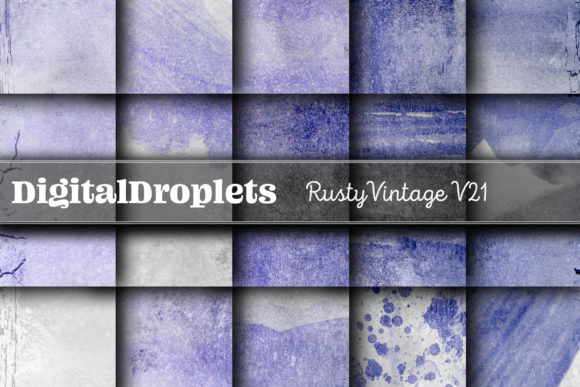
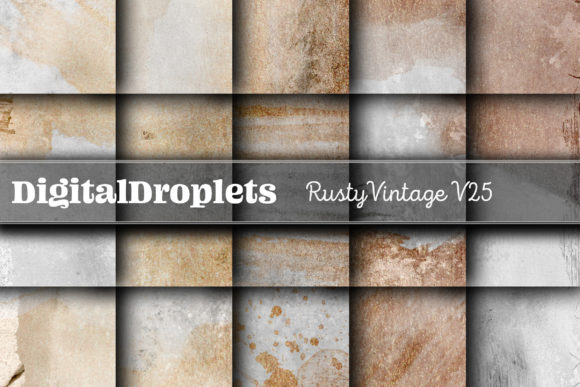
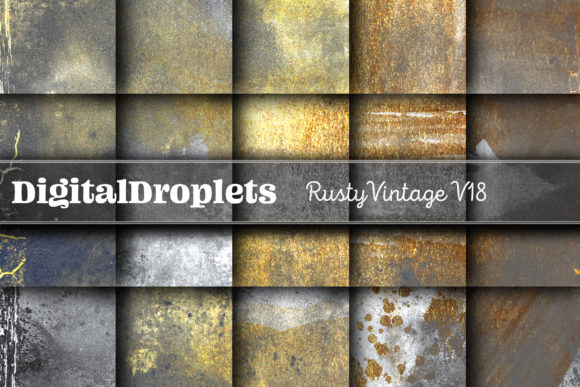
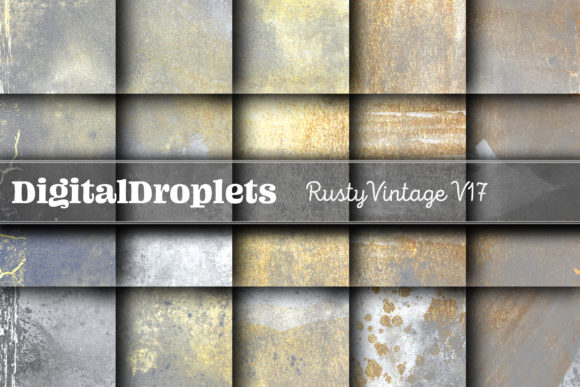
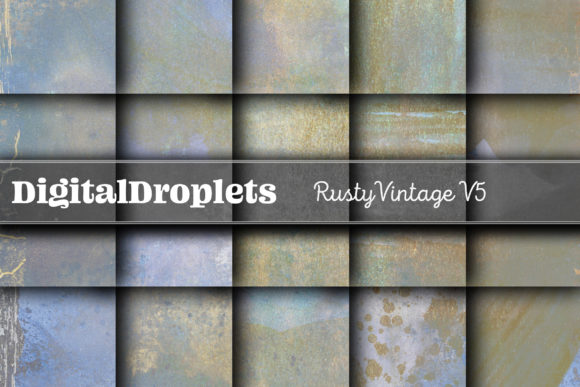
In the realm of graphic design, a compelling background is the silent foundation of a strong visual narrative. The Rusty Vintage Papers Vol. 5 | Collection offers a sophisticated solution for designers seeking to inject authenticity and tactile depth into their work. This curated set of 10 high-resolution papers provides a versatile toolkit for creating designs that resonate with warmth, history, and character, moving beyond flat, digital sterility.
Each paper in the 12×12 Paper Set is a unique composition, blending grungy textures with old paper aesthetics and distinctive borders featuring wood or stone-like finishes. This variety allows for nuanced application across numerous creative projects, ensuring your backgrounds enhance rather than overwhelm your primary content.
Strategic Applications in Modern Design
Understanding how to leverage these assets is key to maximizing their impact. Their inherent vintage style makes them particularly effective for projects aiming to evoke nostalgia, craftsmanship, or organic authenticity.
Building a Cohesive Brand Identity
For brands in artisanal, boutique, or heritage-focused sectors, these textures can become a core component of the visual identity. Use them as backgrounds for logo presentations, in brand guidelines, or across marketing collateral to reinforce a narrative of quality and tradition. The subtle imperfections add a human touch that sterile vectors often lack.
Enhancing Marketing and Social Media
Capture attention in crowded digital spaces. These papers serve as perfect backdrops for social media graphics, making text and product photos pop with visual hierarchy. They are ideal for creating consistent, themed content for Instagram grids, Pinterest pins, or Facebook ads, especially for promotions, quotes, or storytelling posts.
Consider these practical uses:
- Digital Marketing: E-book covers, webinar slides, and email newsletter headers.
- Social Media: Quote graphics, story backgrounds, and promotional post templates.
- Print Design: Business cards, brochures, and event invitations that demand a premium feel.
- Web & UI Design: Website hero sections, blog post featured images, or subtle textures for UI cards in specific niches.
Creative Projects and Editorial Layouts
For scrapbooking, junk journals, and collage art, this collection is invaluable. The 300dpi resolution ensures crisp printing for physical projects like gift tags, washi tape strips, and planner stickers. In editorial design, they can frame pull quotes, create chapter dividers, or set the tone for feature articles in magazines or lookbooks.
Integrating Textures with Design Principles
Effective use of textured backgrounds requires thoughtful integration with other design elements. Always consider your visual hierarchy. Ensure your primary content—typography, logos, images—has sufficient contrast and clarity against the textured paper. Sometimes, adding a semi-transparent shape or gradient overlay can help legibility.
Maintain consistency within a project. While the set offers variety, selecting one or two papers that align with your color palette and overall aesthetic will create a more unified and professional presentation. Think about how the texture interacts with your chosen fonts; a rugged, vintage paper pairs well with serif or hand-drawn typography, while a more subtle stone texture might complement cleaner sans-serifs.
Choosing and Utilizing Quality Design Assets
When selecting resources like the Rusty Vintage Papers Vol. 5 | Collection, evaluate them based on resolution, uniqueness, and versatility. High-resolution files (like these 300dpi JPEGs) are non-negotiable for print work and scalable digital designs. Assess how the textures blend—do they enhance your color palette? Do they offer enough variation to avoid repetition in a multi-page project?
Integrate these assets into your design workflow seamlessly. Organize them in your asset library, create template files with them pre-loaded, and experiment with blending modes (like Multiply, Overlay, or Soft Light) in your design software to achieve the perfect integration with your compositional elements.
Ultimately, the right creative assets are powerful tools for visual communication. They allow you to craft a specific mood, tell a deeper story, and establish a memorable aesthetic that strengthens your message and engages your audience on a more intuitive level. By making intentional choices with resources like these textured papers, you elevate your work from merely functional to truly resonant.